
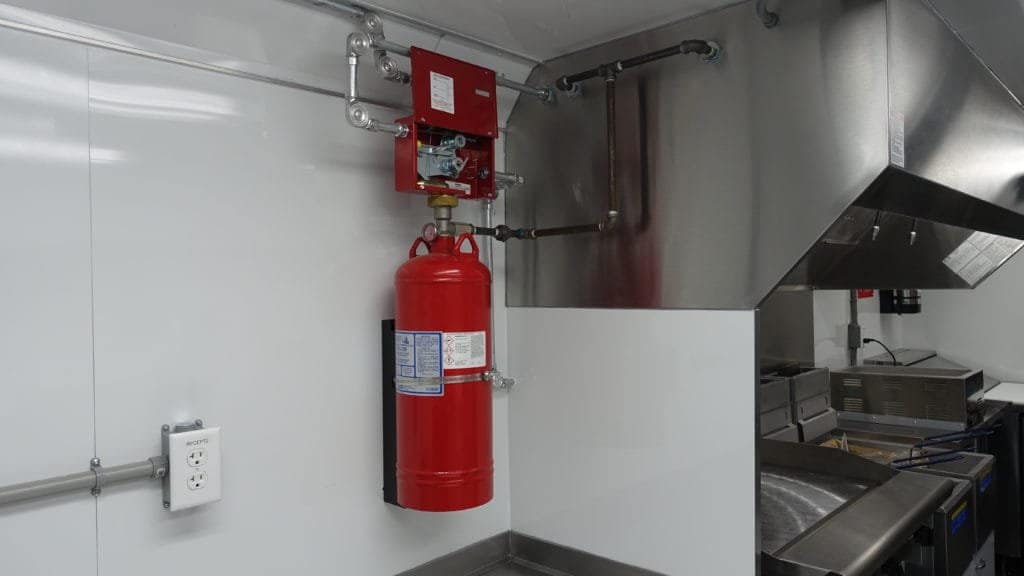
Understanding Food Truck Hood Systems
Food truck hood systems are vital components in ensuring the safety and efficiency of mobile food operations. These systems serve the primary purpose of ventilating cooking appliances, thereby removing heat, smoke, steam, and odor generated during food preparation. A well-designed food truck hood system not only contributes to a comfortable working environment for staff but also enhances the overall dining experience for customers by reducing airborne contaminants.
The functionality of a food truck hood system involves a combination of exhaust hoods, fans, and ductwork. Exhaust hoods capture the emissions produced by cooking equipment, redirecting them to the outside environment while filter systems cleanse the air of grease and other particulates. The fans play a crucial role in maintaining airflow, thereby ensuring that the cooking area remains adequately ventilated. This is particularly significant in a food truck, where space is limited, and equipment is in close proximity to one another.
Moreover, the installation and maintenance of food truck hood systems are subject to specific regulations and standards established by health and safety authorities. The National Fire Protection Association (NFPA) has detailed guidelines which dictate how such systems should be installed and inspected to minimize the risk of fire hazards. Compliance with local building codes and health regulations is also essential in maintaining food safety standards and protecting public health. Understanding these operational guidelines is critical for food truck owners, as failure to adhere to them can result in penalties or potential shutdowns.
There are various types of food truck hood systems available, including Type I and Type II hoods. Type I hoods are specifically designed for capturing grease-laden vapors generated by cooking appliances like fryers and grills, while Type II hoods are intended for capturing heat and steam from cooking without grease. Each type serves a unique purpose and is relevant to the specific cooking processes within the food truck environment.
Why Proper Installation Matters
In the dynamic environment of a food truck, ensuring that your food truck hood system is properly installed is paramount for both safety and efficiency. A correctly installed hood system plays a vital role in maintaining air quality and controlling grease buildup, which can lead to serious hazards if neglected. When food trucks operate without a properly functioning hood system, the risk of fire increases significantly. Grease-laden vapors that escape into the cooking area can ignite, posing a danger not only to the mobile kitchen but also to the health of employees and patrons.
Moreover, food trucks are subject to local health regulations and codes. An improperly installed hood system can lead to potential health violations, resulting in fines or temporary shutdowns. These infractions often come with the added burden of unexpected costs and the potential loss of reputation within the community. Hiring professionals for the installation of your food truck hood system ensures that it meets all regulatory standards and functions as intended.
In addition to mitigating risks, the long-term benefits of proper installation cannot be overstated. A well-organized and efficient hood system enhances the overall operation of your food truck, resulting in better air circulation and improved working conditions for staff. Furthermore, appropriate installations are more reliable and require less frequent repairs, ultimately saving owners time and resources in the long run. To ensure that the system is optimally installed, it is advisable to work with experienced technicians who specialize in food truck hood systems. These professionals can provide invaluable insights and guidance during the installation process, fostering an environment that promotes both safety and compliance.
Key Components of a Hood System
A food truck hood system is an essential feature for ensuring safety and efficiency in mobile food operations. Understanding its key components—exhaust fans, filters, ductwork, and makeup air systems—provides insight into their critical roles in maintaining a safe cooking environment.
Exhaust fans are one of the primary components of a food truck hood system. These fans are responsible for expelling smoke, heat, and odors from the truck’s cooking area. By effectively removing these elements, they help maintain air quality and enhance visibility, thereby creating a safer workspace. When properly sized and installed, exhaust fans ensure optimal airflow and efficiency, which is vital during high-demand cooking periods.
Filters played a significant role in the filtration process of a hood system. Typically, grease filters are employed to capture and reduce grease particles before they enter the ductwork. This not only prevents grease buildup in the duct system but also minimizes the risk of fire hazards, which is particularly important in a confined space like a food truck. Regular cleaning and maintenance of these filters are crucial to preserving their effectiveness.
Ductwork is another fundamental element that connects the exhaust fan to the outside environment. It serves as the pathway for the ingested air and contaminants to be expelled. Proper duct installation is key; it must be correctly sized and routed to avoid any potential obstruction that may hinder airflow. Additionally, ductwork designed with smooth materials enhances the efficiency of the exhaust system.
Lastly, makeup air systems are critical for replenishing the air that is expelled by the exhaust fans. These systems bring in fresh air to counterbalance the loss of air, maintaining a balanced environment within the food truck. Without a proper makeup air system, negative pressure can occur, leading to issues such as backdrafts or compromised exhaust performance. Each component of the food truck hood system works in tandem to create a safe and effective cooking atmosphere, making their understanding paramount for food truck operators.
The Installation Process Explained
The installation of a food truck hood system is a critical undertaking that ensures the safety and compliance of mobile food operations. The process typically begins with an initial assessment, where a qualified technician evaluates the food truck’s layout and specific cooking equipment. This assessment helps determine the optimal placement and specifications for the hood system, taking factors such as airflow requirements and applicable fire safety regulations into account.
Once the assessment is complete, the next step involves detailed planning. It is essential to create a comprehensive installation plan that outlines the necessary components, including ductwork, exhaust fans, and fire suppression systems. This plan often requires obtaining the appropriate permits, which can vary by jurisdiction. It is advisable to check with local health and fire authorities to ensure adherence to safety standards and codes.
After securing the necessary permits, the actual installation can commence. This phase involves physically mounting the food truck hood system above the cooking areas. Installation procedures typically include the careful attachment of the hood to the food truck’s structure, ensuring proper alignment and securing connections. Ductwork is then installed to direct smoke, grease, and heat away from the cooking zone, culminating in the positioning of the exhaust fan. It is crucial that this process is conducted according to the specifications laid out during the planning phase to ensure optimal functionality.
Following the completion of the installation, a thorough final inspection is carried out. This inspection assesses the integrity of the food truck hood system, verifying that all components function effectively and comply with local regulations. It is an essential step that guarantees the safety and operational efficiency of the food truck, preparing it for successful service in the competitive mobile food industry.
Regular Inspections and Maintenance
Routine inspections and maintenance of the food truck hood system are vital for ensuring safety, efficiency, and compliance with health standards. These systems play an essential role in removing grease, smoke, and heat generated during cooking, thereby safeguarding both the food quality and the health of customers. Without regular checks, several issues can arise, including the accumulation of grease, which can lead to fire hazards, diminished performance, and an unpleasant working environment.
Common problems that stem from inadequate maintenance include clogged filters and vent pathways. These obstructions can not only hinder the hood system’s effectiveness but may also lead to the overheating of kitchen equipment, putting both the food preparation area and staff at risk. Additionally, failing to address malfunctions swiftly can necessitate costly repairs or even replacements, negatively impacting a food truck’s operational continuity. Therefore, implementing a proactive inspection schedule is crucial for identifying and resolving potential issues before they escalate.
Experts recommend conducting inspections at least every three to six months, depending on the volume and type of cooking operations performed. Higher cooking volumes, such as those found in food trucks serving large crowds or employing intensive cooking techniques, may require more frequent checks. During inspections, it’s essential to examine the entire hood system thoroughly, including fans, filters, and ducts. Maintenance tasks should include cleaning the filters, checking for signs of wear, and ensuring that the entire system is functioning optimally. By adhering to these guidelines, food truck operators can not only extend the lifespan of their hood systems but also ensure compliance with local regulations, ultimately contributing to the success and safety of their mobile culinary ventures.
Hiring Professionals vs. DIY Installations
When it comes to food truck hood system installations, the decision between hiring professionals or attempting a do-it-yourself (DIY) approach carries significant weight. Both options present a set of advantages and disadvantages that must be carefully considered in relation to project requirements, budgetary constraints, and compliance with safety standards.
Engaging professional services for the installation of a food truck hood system can ensure that the work meets local regulations and safety codes. Professionals bring a wealth of expertise and experience, which is crucial when dealing with the intricate aspects of hood systems, such as ventilation, filters, and stove connections. Moreover, professional installers are familiar with the specific needs of food trucks, which often require unique setups compared to traditional restaurant installations. This knowledge can be invaluable in preventing problems that might arise from improper installation.
On the other hand, opting for a DIY installation can appear to be a more cost-effective solution. By choosing to handle the project independently, one can save on labor costs, which might be significant. Additionally, the DIY route allows for greater personal involvement in the design and functionality of the hood system. However, this approach does come with its own set of challenges. A lack of technical knowledge and skill can lead to inadequate installations that compromise food safety and may eventually require costly repairs or alterations. Moreover, improper installations can create hazardous conditions, leading to increased risks of fire or health violations.
The choice between hiring professionals and going the DIY route ultimately depends on factors such as available time, budget, and individual expertise. While the initial expense of hiring someone might seem daunting, investing in professional installation can save significant costs in the long run by ensuring that the food truck hood system is installed correctly and efficiently.
Compliance with Local Regulations
When it comes to operating a food truck, adherence to local regulations surrounding the installation and maintenance of food truck hood systems is paramount. These regulations are designed to ensure public health and safety, encompassing various aspects such as fire safety, food safety, and overall sanitation. Each jurisdiction has its own set of codes that govern how food truck appliances and exhaust systems must be installed, maintained, and inspected.
One crucial aspect of compliance is understanding the local fire codes. Many regions require food trucks to be equipped with a commercial-grade hood system specifically designed to handle the type of cooking conducted on the vehicle. This includes regulations about the type of materials used in construction, the installation of grease filters, and the required distances between cooking equipment and the hood. Neglecting these regulations can lead to fines or even shutdowns, underscoring the importance of a well-installed food truck hood system.
Moreover, health and safety codes play a significant role in compliance. Local health departments often outline the necessary ventilation systems needed to minimize the risks associated with cooking operations, such as the buildup of harmful smoke or grease. Regular inspections ensure that the hood system works effectively and meets all local health requirements. Keeping thorough documentation of inspections and maintenance not only helps in maintaining compliance but also provides essential proof of effort should any disputes arise.
Lastly, it is crucial to consult with local authorities or experienced professionals during the planning stages of a food truck business. They can provide insights into the relevant regulations and help ensure that your food truck hood system is compliant right from the start. Understanding and adhering to these regulations not only facilitates legal operation but also safeguards the health and well-being of your customers.
Case Studies: Successful Installations
The journey of food truck operators often begins with a thorough understanding of the essential systems required for safe and effective food preparation. Among these, the food truck hood system plays a critical role in ensuring compliance with health and safety regulations. This section explores successful installations of hood systems in various food trucks, shedding light on the diverse challenges encountered and innovative solutions adopted.
One notable case study involves a gourmet taco truck operating in a bustling urban area. The owner faced the challenge of limited space within the truck while needing to accommodate a high-capacity hood system to meet local fire codes. To address this, the installation team utilized a compact, yet efficient model that maximized airflow and minimized obstruction. Additionally, they implemented a grease filtration system, significantly reducing fire hazards and ensuring compliance with local regulations.
In another example, a mobile coffee shop required a hood system that could handle the unique demands of coffee preparation equipment. In this case, the operator initially underestimated the necessity of a food truck hood system for espresso machines and ventilation needs. Recognizing this oversight, the team designed a customized solution that ensured proper airflow while integrating seamlessly into the truck’s layout. This installation not only complied with health standards but also optimized the workflow within the confined space, allowing baristas to operate efficiently during high-demand periods.
A third case study features a barbecue food truck where installation presented challenges due to the extreme heat generated by smokers and grills. The installation experts developed a specialized, high-temperature hood system capable of withstanding intense conditions and effectively removing smoke and heat. Furthermore, the project included the installation of fire suppression components, enhancing safety measures and providing peace of mind to both the operator and patrons.
These real-world instances highlight the vital role of the food truck hood system in creating safe, functional, and compliant food trucks, serving as valuable references for prospective operators aiming to develop their culinary ventures on wheels.
Conclusion: Investing in Your Food Truck’s Safety
In the context of operating a food truck, safety should never be compromised. The importance of a reliable food truck hood system cannot be overstated, as it plays a crucial role in fire prevention and maintaining air quality within the cooking environment. A professionally installed and regularly inspected hood system ensures that grease and smoke are effectively managed, which is essential for both the safety of your employees and the satisfaction of your customers.
Throughout this guide, we have explored the various elements that contribute to a successful food truck hood system installation and inspection. Different types of systems available on the market, codes and regulations that must be followed, and the necessity of hiring qualified professionals for installation and maintenance were key focus areas. This comprehensive approach serves as a reminder of how much is at stake when it comes to food truck operations. Investing in high-quality hood systems not only reduces the risk of fire but also enhances the overall performance of your food truck, offering peace of mind and improving efficiency.
As you navigate the complexities of operating your food truck, prioritize the installation and upkeep of your hood system. This investment is fundamental to establishing a safe working environment, which consequently affects your reputation and long-term success. The safety and wellbeing of your staff and patrons hinge on your commitment to safeguarding your food truck against potential hazards. By taking these precautions, you ensure that your culinary venture runs smoothly and sustainably, ultimately maximizing your culinary creativity and business growth.